
What is the difference between B64 and CDL can ends?
When choosing can ends for your beverage packaging, understanding the differences between B64 and CDL can ends is crucial. These two types serve different purposes in the industry.
B64 and CDL can ends differ primarily in their opening mechanisms and applications. B64 ends have a stay-on tab, while CDL ends feature a full-open tab design, making them better for wider-mouth applications like energy drinks.
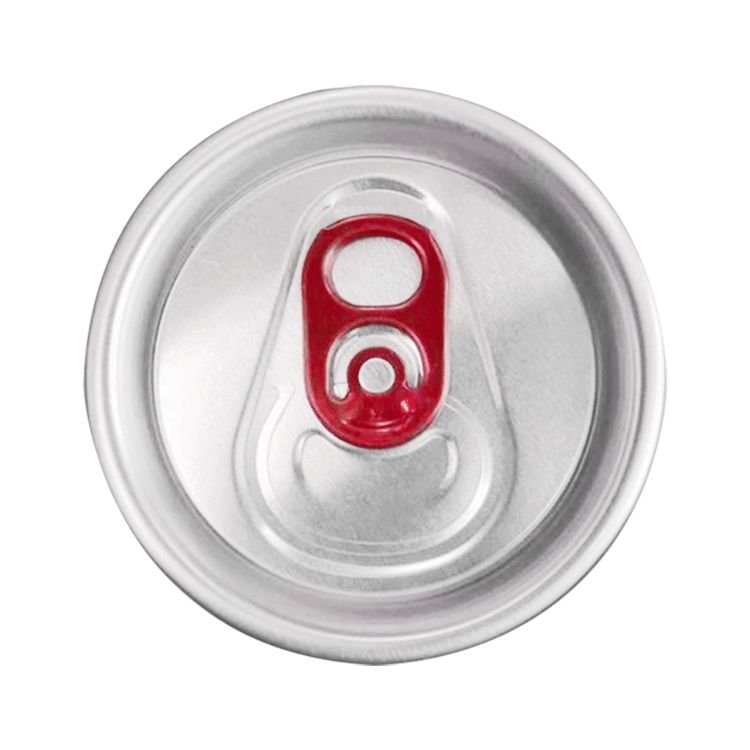
The choice between B64 and CDL affects both functionality and consumer experience. Let’s explore these differences in detail to help you make the right decision for your product.
What is the coating on the inside of aluminum cans?
Many beverage producers wonder about the mysterious lining inside aluminum cans. This coating plays a vital role in product safety.
The inside of aluminum cans features a food-grade epoxy coating that prevents reactions between the metal and beverage. This thin layer protects both the drink’s flavor and the can’s integrity.
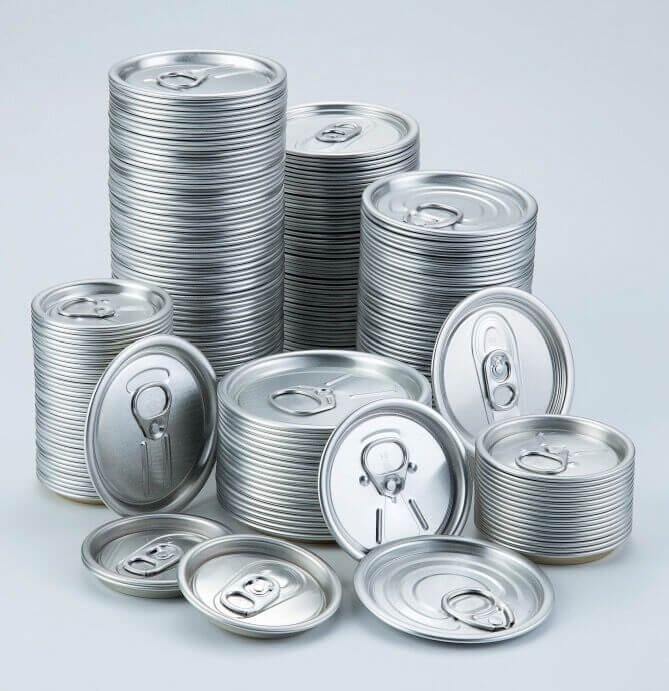
The coating technology has evolved significantly over time:
| Coating Type | Purpose | Common Uses |
|---|---|---|
| Epoxy | Prevents metal taste | Soft drinks, beer |
| Polymer | Higher chemical resistance | Energy drinks, acidic beverages |
| BPA-free | Health-conscious option | Organic beverages |
Modern coatings must meet strict FDA regulations while maintaining excellent barrier properties. Manufacturers continue developing safer, more effective formulations.
How many 16 oz cans are on a pallet?
Efficient packaging requires knowing exactly how many units fit on standard pallets. This affects logistics and storage planning.
A standard pallet typically holds 2,016 sixteen-ounce cans when stacked in 12-ounce can configuration. This equals 84 cases of 24 cans each, arranged in 7 layers.
%(percentage)Full pallet of 16oz cans
Several factors influence pallet capacity:
- Can diameter variations
- Pallet size standards
- Stacking pattern
- Height restrictions
- Weight limitations
Beverage manufacturers often use specialized palletizing equipment to maximize load stability while meeting these physical constraints.
Are all can lids the same size?
Consumers might assume all can ends are identical, but industry professionals know better. Size variations serve different market needs1.
Can lids come in multiple standard diameters, with 202 and 209 being most common. The size depends on the can’s diameter and intended beverage type.
Key size differences include:
| End Size | Diameter (inches) | Common Applications |
|---|---|---|
| 200 | 2.00" | Rare, specialty use |
| 202 | 2.02" | Standard soda/beer |
| 204 | 2.04" | Some energy drinks |
| 209 | 2.09" | Wide-mouth beverages |
Manufacturers must match end sizes precisely to can bodies for proper sealing and performance.
Conclusion
Understanding can end differences helps beverage producers make informed packaging decisions that affect functionality, logistics, and consumer experience.
Exploring how market needs shape can end designs can provide insights into consumer preferences and industry trends. ↩